Ledger® Live Wallet— Getting Started | official Ledger™ Live App

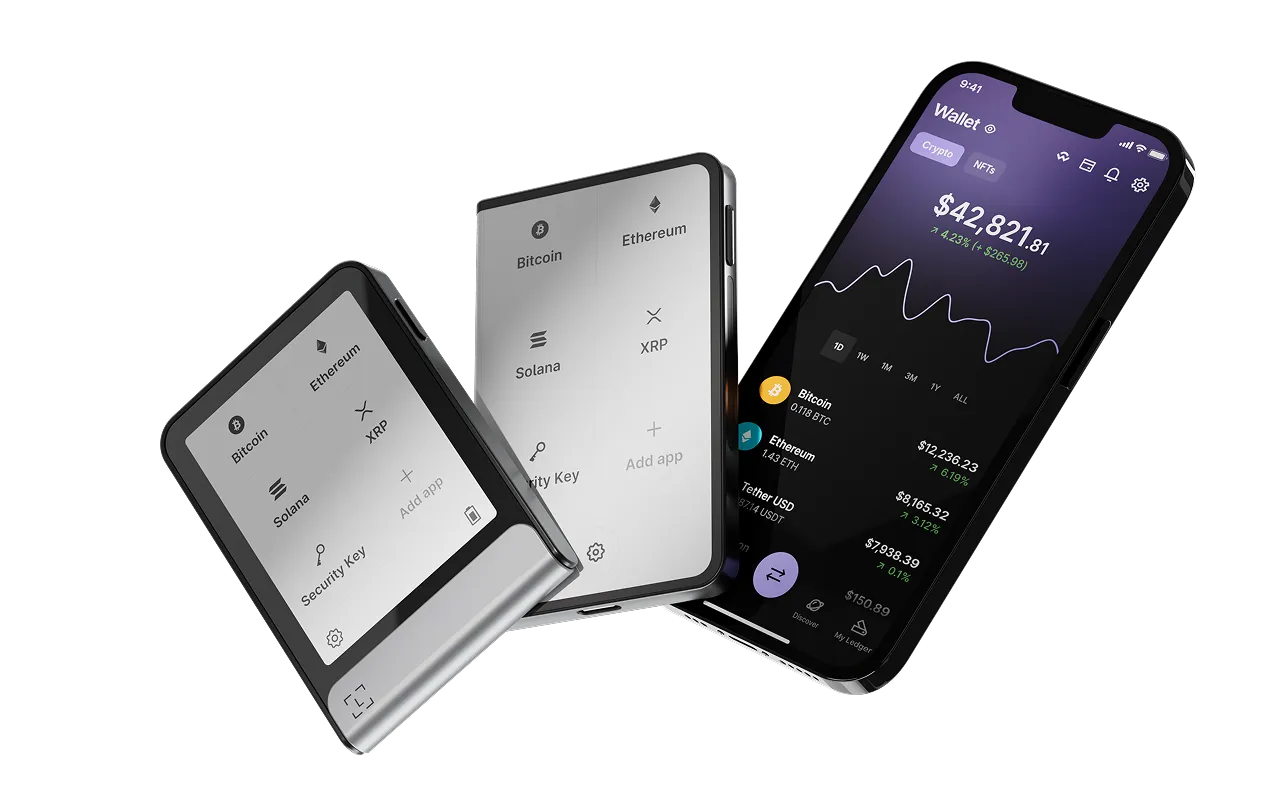

Ledger Live Wallet: The Complete Guide to Secure Crypto Management
Managing digital assets safely and efficiently is one of the biggest challenges in crypto today. With thousands of tokens, multiple blockchains, and constant security risks, users need a reliable control center for their holdings. The Ledger Live wallet ecosystem has become one of the most trusted solutions for this purpose, offering a powerful interface combined with hardware-level protection.
Built to work seamlessly with devices from Ledger, this wallet management platform gives users a unified dashboard to buy, sell, stake, swap, and monitor crypto assets — all while keeping private keys offline. Whether you are a beginner or an advanced investor, understanding how this wallet system works can significantly improve your crypto security and workflow.
This guide explains everything you need to know — features, benefits, setup, security model, and best practices.
What Is Ledger Live Wallet?
Ledger Live wallet is a desktop and mobile application designed to manage cryptocurrency accounts that are secured by Ledger hardware wallets. Instead of storing your private keys online, it connects to your hardware device and acts as a secure command center for transactions and portfolio tracking.
Think of it as the operating dashboard for your crypto vault. The app itself provides the interface, while the hardware wallet signs transactions securely offline.
Key functions include:
- Portfolio tracking in real time
- Sending and receiving crypto
- Installing blockchain apps
- Managing multiple accounts
- Staking supported assets
- Swapping tokens
- Buying and selling crypto through partners
Because transaction approval happens on the hardware device, even a compromised computer cannot authorize transfers without physical confirmation.
Core Features That Make It Stand Out
Unified Portfolio Dashboard
One of the biggest strengths of the wallet platform is its all-in-one portfolio view. Users can monitor balances across multiple blockchains without switching between different apps.
The dashboard shows:
- Total portfolio value
- Asset allocation
- Price charts
- Transaction history
- Performance tracking
This makes it easier to understand your exposure and rebalance when needed.
Multi-Asset Support
The wallet supports thousands of coins and tokens across major networks. Popular supported assets include:
- Bitcoin
- Ethereum
- Solana
- Polygon
- XRP
- Many ERC-20 tokens
- Many BEP-20 tokens
Users can install specific blockchain apps onto their hardware device and manage each network directly inside the wallet interface.
Built-In Buy, Sell, and Swap
The app integrates third-party providers that allow users to:
- Buy crypto with card or bank transfer
- Sell crypto for fiat
- Swap between tokens
- Convert assets without using centralized exchanges
While fees vary by provider, this built-in access reduces the need to move funds across multiple platforms.
Staking and Earning Rewards
Supported assets can be staked directly from the wallet interface. This allows users to earn yield while maintaining hardware-level security.
Common staking options often include:
- Proof-of-stake coins
- Delegated staking networks
- Validator-based chains
Rewards are tracked directly in the portfolio view, simplifying passive income strategies.
How Security Works
Hardware Key Protection
The most important security advantage is that private keys never leave the hardware wallet. Transactions are signed inside the device, not on your computer or phone.
This protects against:
- Malware
- Keyloggers
- Remote attacks
- Browser exploits
- Phishing scripts
Even if your computer is infected, an attacker cannot move funds without access to the hardware wallet and PIN.
Transaction Verification on Device
Every outgoing transaction must be physically confirmed by pressing buttons on the hardware wallet. The device screen shows:
- Destination address
- Amount
- Network fees
This prevents hidden transaction manipulation.
Secure Element Chip
Ledger hardware wallets use certified secure element chips similar to those used in passports and payment cards. These chips are built to resist tampering and extraction attempts.
The wallet app acts only as a viewer and broadcaster — never as a key holder.
Desktop vs Mobile Experience
Desktop Version
The desktop version offers:
- Full portfolio analytics
- Advanced account management
- App installation management
- Larger charting interface
- Easier multi-account navigation
It is ideal for users managing diverse portfolios.
Mobile Version
The mobile app focuses on convenience and daily monitoring.
Mobile strengths include:
- On-the-go portfolio tracking
- Bluetooth hardware wallet pairing (supported models)
- Quick transaction review
- Push notifications
- QR code scanning
Many users combine both versions for flexibility.
Setup Process Overview
Getting started is straightforward but must be done carefully.
Step 1 — Initialize Hardware Wallet
- Power on the hardware device
- Create a PIN
- Generate recovery phrase
- Write recovery phrase offline
- Store it securely
Never photograph or store recovery phrases digitally.
Step 2 — Install the Wallet App
Download the desktop or mobile application from the official Ledger website or app stores. Avoid third-party download sources.
Step 3 — Pair Device
Connect your hardware wallet via USB or Bluetooth (if supported). The app will verify device authenticity before pairing.
Step 4 — Install Blockchain Apps
Inside the app, install blockchain modules needed for your assets. Each network requires its own device app.
Step 5 — Add Accounts
Create accounts for each blockchain you plan to use. The app will sync balances and transaction history.
Advantages Over Software Wallets
Compared to hot wallets and browser wallets, this wallet system offers several major advantages:
Stronger Security
- Offline private key storage
- Physical confirmation required
- Reduced remote attack surface
Better Portfolio Control
- Multi-chain dashboard
- Asset tracking
- Performance metrics
Integrated Services
- Buying and swapping
- Staking options
- App marketplace
Reduced Exchange Dependence
- Self-custody management
- Fewer centralized platform risks
Limitations to Consider
No solution is perfect. Users should understand tradeoffs.
- Requires hardware wallet purchase
- Some features depend on third-party providers
- Not every token is supported natively
- Advanced DeFi sometimes requires external wallet connections
- Transaction speed depends on blockchain network congestion
Still, for long-term holders and serious investors, the security benefits usually outweigh the limitations.
Best Practices for Safe Usage
To maximize safety:
- Always verify app downloads from official sources
- Never share recovery phrases
- Double-check device screen before approving transactions
- Keep firmware updated
- Use strong PIN codes
- Store recovery phrase offline in multiple secure locations
- Beware of phishing emails pretending to be support
Remember: legitimate support will never ask for your recovery phrase.
Who Should Use Ledger Live Wallet?
This wallet ecosystem is best suited for:
- Long-term crypto holders
- Security-focused investors
- Multi-asset portfolio managers
- Users moving away from exchanges
- Stakers seeking safer custody
- Professionals managing significant holdings
Beginners can also use it successfully thanks to its guided setup and clean interface.
Final Thoughts
The Ledger Live wallet platform combines usability with hardware-level protection, creating a strong foundation for secure crypto management. By separating key storage from the internet and giving users a unified control panel, it solves two of the biggest crypto challenges: safety and complexity.
For anyone serious about protecting digital assets while maintaining full control, this wallet approach remains one of the most practical and trusted solutions available today.